The Impact of Web on Non-Profit Organisations
Modern web advancements have played a significant role in how non-profit organisations build long-lasting relationships with their current audience and help with outreach to new audiences. The shift from Web 1.0 to Web 2.0 has broadened the opportunities for these organisations; having basic read-only webpages consisting of large blocks of text and imagery, with a lack of content and interaction, creates a divide between the organisation and the audience. The introduction of Web 2.0 has been valuable in allowing non-profits to thrive due to the introduction of user interaction, this 2-way interaction between user and organisation allows easier communication and ways for the user to collaborate, leading to more user engagement and creating stronger user relationships.

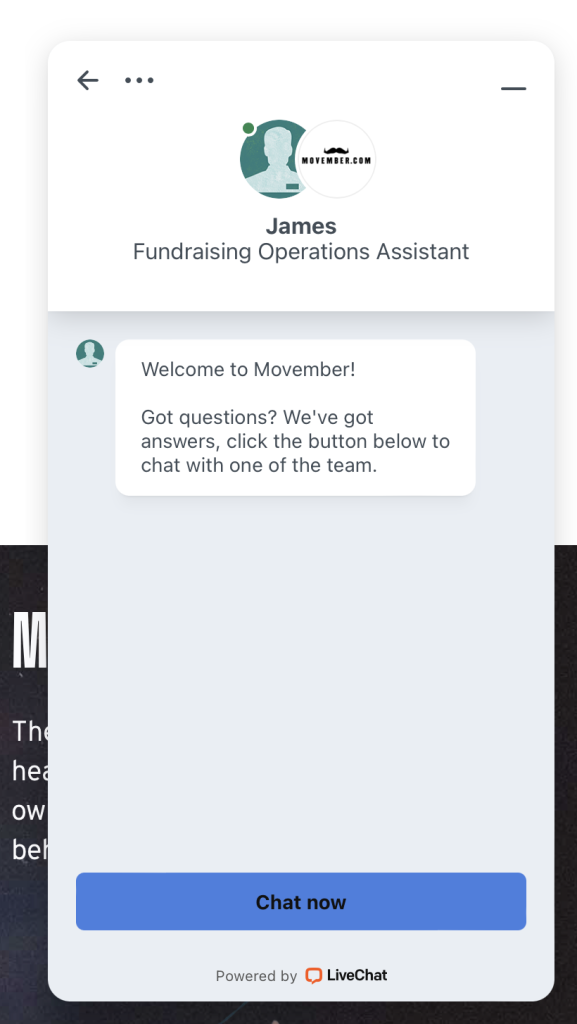
The integration of 2-way communication in the modern web has created multiple new ways for non-profit organisations to thrive; not just on an organisation’s own site but across the web. User interaction allows the companies to hear the consumer’s opinions, which is mutually beneficial and can be achieved in multiple ways like online surveys, social media comments and polls, live chats for customer support and interactive website and app features.
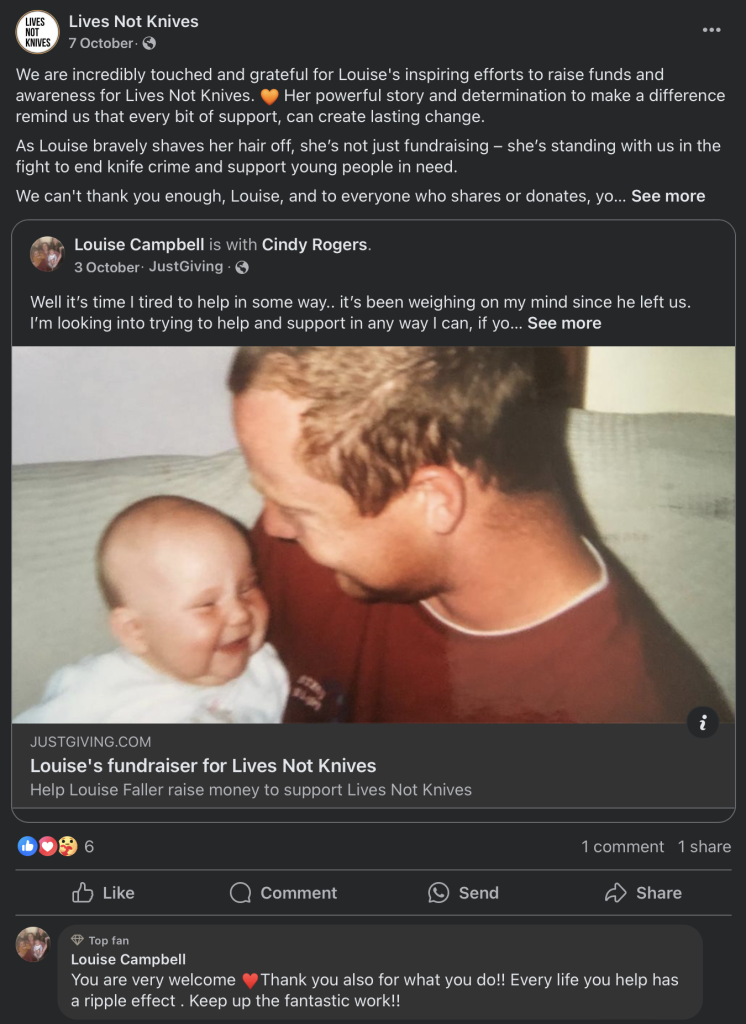
Social media plays a large role in how nonprofit organisations utilise the web to their advantage; the range of current social media allows them to create large campaigns across multiple platforms, leading to increased exposure, engagement, and a more successful campaign.
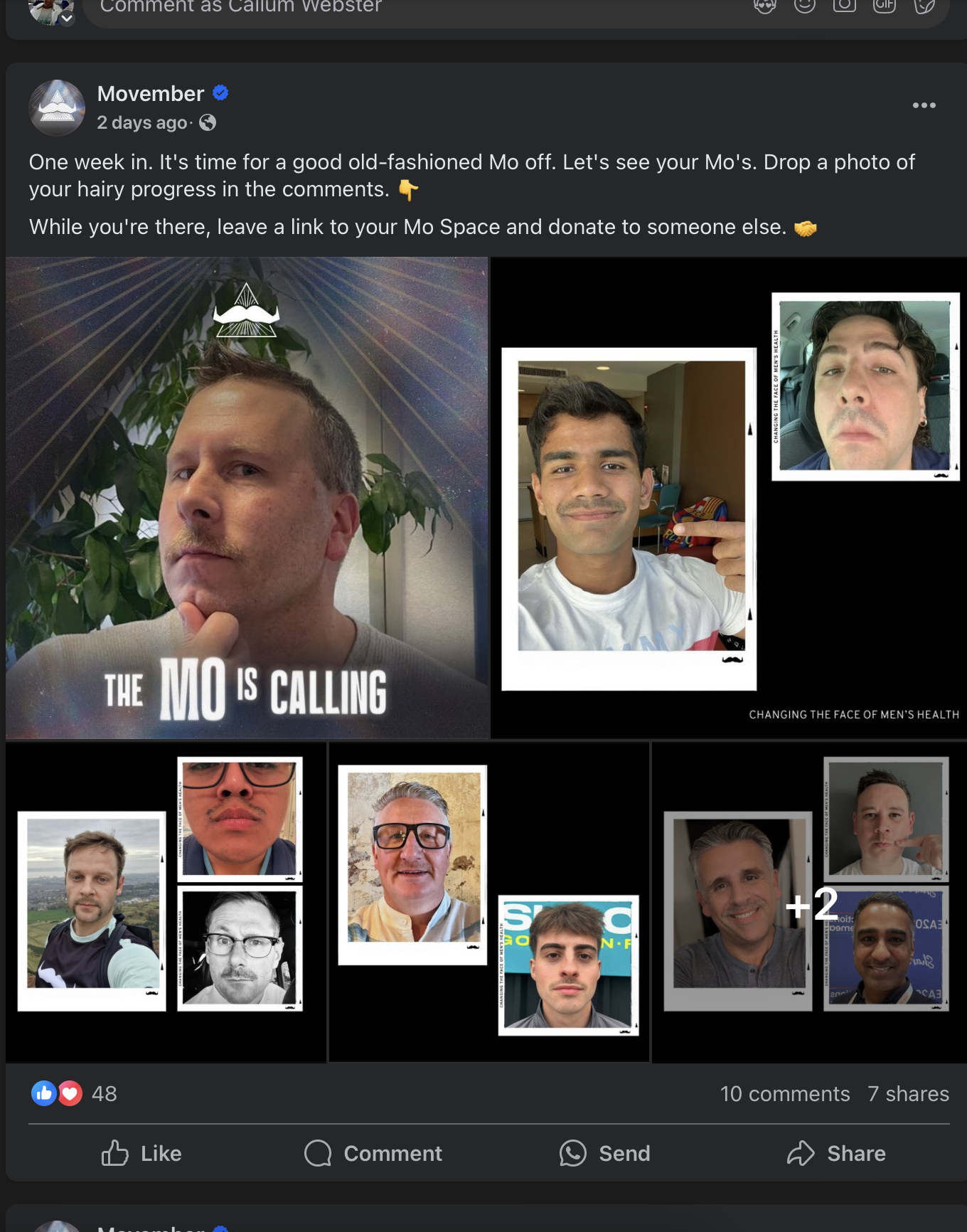
Movember is a non-profit organisation that has created a clever and unique campaign which pushes men to grow a moustache in the month of Movember, on face value, the concept seems basic but due to the web and the power of social, it creates a huge following every year. The use of promotional videos across YouTube, Facebook and X/Twitter allows people to really understand the cause, and the use of hashtags across TikTok and X/Twitter allows users to share their Movember progress with their followers and friends. All these examples are utilized to create a community and increase exposure globally.
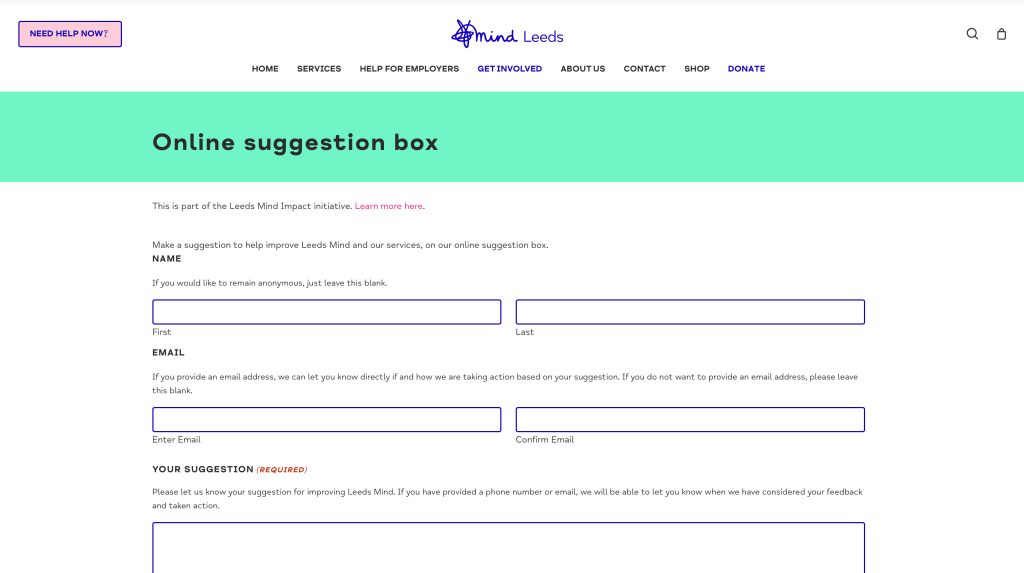
Modern web advancements and the implementation of user interaction have allowed sites like Google Forms, change.org and SurveyMonkey to be used so that nonprofits can understand and collect data about their community enabling them to create more effective campaigns as they are more aware of their consumers’ needs, feelings and pain points.
Collaborating in Web Design
Over the previous weeks, we have begun to evaluate different websites and marketing strategies, collaborating to break down these sites and picking apart the things that make them unique, the things that work effectively and parts of the websites that could use more fine-tuning.
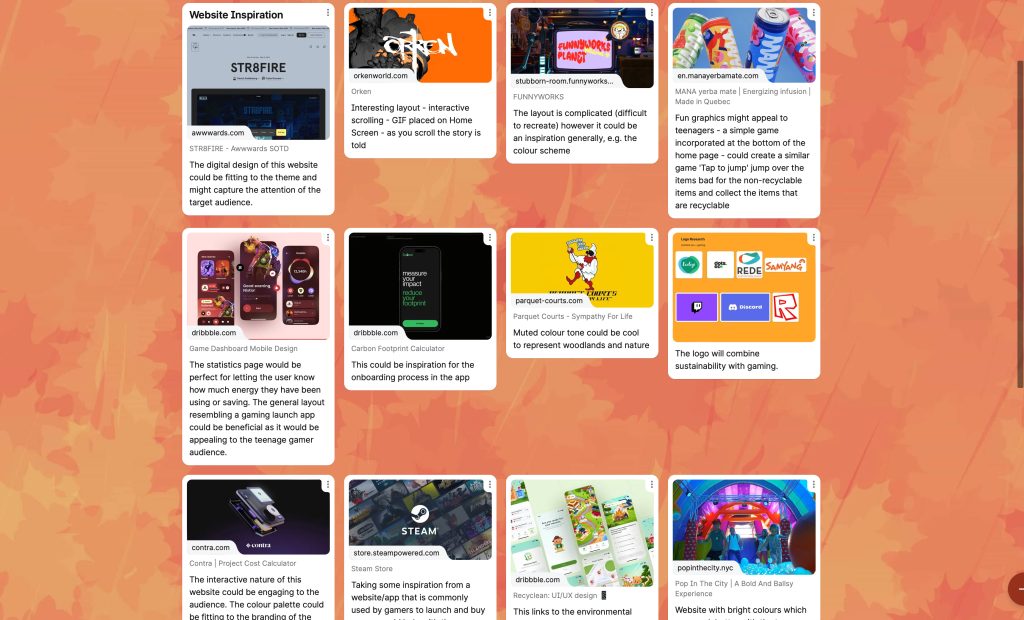
With modern web advancements we are being introduced to tools and software such as Padlet, Figma and Adobe Express which have been helpful in collaborating with others on web design, although traditional methods such as pen and paper will always have their place, these applications have improved a valuable step within the design process allowing us to add imagery and content and analyze it collectively while brainstorming ideas from different perspectives.
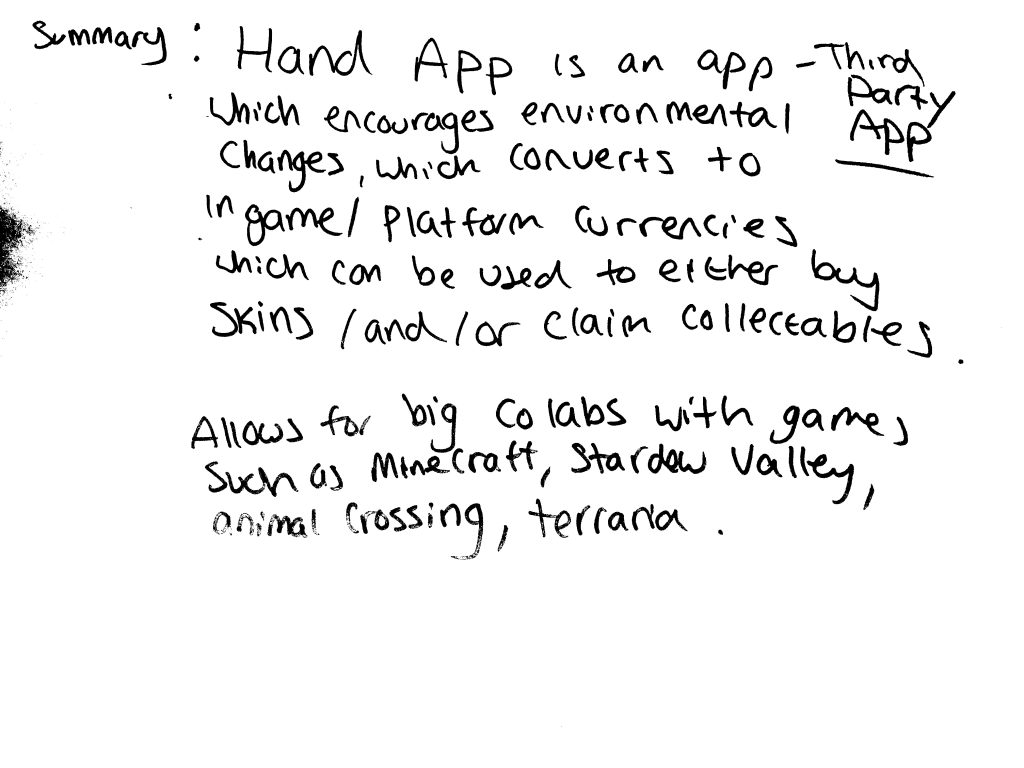
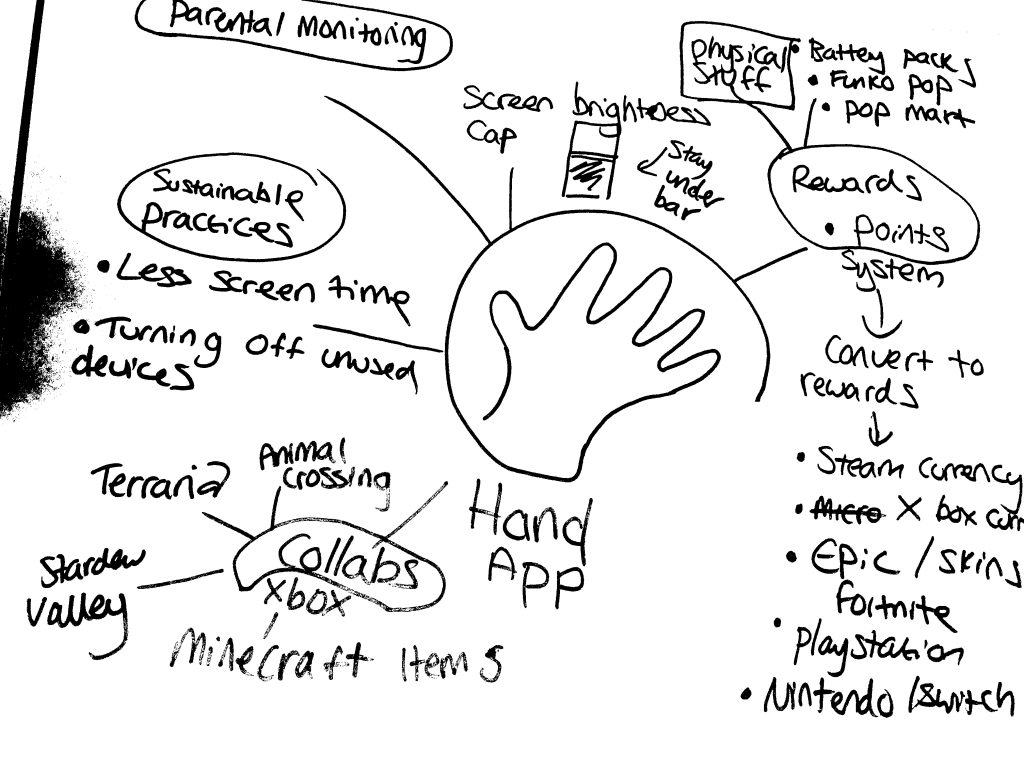
One of the collaborative projects we worked on was to create an application which encourages teenage gamers to adopt sustainable practices. Working in a group of 4 alongside Jess, Skye and Ivana we started off by using just pen and paper and started to share ideas and concepts, we then started to utilize digital tools such as Padlet and Figjam to collectively work together, which really helped us to create a solid idea which we would have potentially taken into the next stage of the design process. We started to look at how we could create something that is environmentally friendly and sustainable but also appeal to a younger demographic of gamers; we collectively decided that the application model would have to offer the target audience an incentive, gifting them with in-game rewards if they complete environmentally friendly tasks, which would all be overseen by a parent or guardian(if the user is not of a certain age). We were able to work together and explore different layouts, while another group member looked at competitors’ sites, while another looked at potential colours and branding ideas.
The next collaborative activity that we approached was a part of a ‘stories of support’ marketing campaign for Hull & East Yorkshire Mind’s YouTube Presence, due to the timescale we were faced with, our initial course of action was to have a conversation and brainstorm whilst putting already established ideas together within Adobe Express; together we had decided on a short YouTube advertisement with a strong message and a CTA at the end clearly directing the viewer to Mind’s site for additional support. This process would have taken a lot longer if it was an individual task. While one of us researched Mind’s current brand guidelines which were accessible on the web, the other started to break down the current Mind YouTube videos to collect appropriate content for the advertisement; these 2 steps were crucial to creating a promotional campaign video that felt cohesive and on brand with the current Mind marketing which the organisation has in place.
An additional task I took on alongside Mik, was to create a ‘Graphic Design at the University of Hull’ promotional vertical video for TikTok. Similar to the previous task we utilized web-based apps such as Figjam and Adobe Express to collectively work on this project together; using Figjam to share our ideas and exploration with colour and type choices. This project was a great example of how collaborating within web design has many benefits such as time efficiency, a more refined final product and a more diverse range of user feedback.
Current Web Design Approaches
Organizations are in a constant battle to keep up in the modern digital age due to the speed at which the web is evolving. There are constant trends that designs and organizations adopt which can change from year to year, but it is imperative that the sites also contain design fundamentals, such as visual hierarchy, alignment, clear typography and accessibility.
The first site I have reviewed is https://uk.movember.com/. The first impression on the site is that it is clear and professional, this visual has been created with the use of some of these design fundamentals. The main colours of the site are black and white and create a strong contrast between the typography and the background. The choice of typography across the website and brand also enforces a sense of strength and masculinity, which makes being the key demographic. The primary bold condensed sans serif typeface, used for titles and headers, complements the body text sans serif typeface, due to the use of contrast in weights and size. The site also uses white space to convey a clear message in each section allowing the information and content to breathe, keeping the attention of the user, creating a more interesting site and further enforcing a visual hierarchy and better readability. ‘Can also improve user experience by creating, for example, paragraph breaks and spaces for better readability.’(Naveh, M. 2021).
The Movember site also adopts current web design trends like the carousel that is used as a header and a series of articles which are on a timed relay allowing more information to be shown on the landing page. An additional carousel is used further down, this carousel goes off the page and has the further image half cut off; the reasoning for this is, that even though there are horizontal arrows, it subtly indicates to the user that there is more information beyond the screen.
Digital Marketing Using Web Technologies
The advancement of web technologies has completely changed the way that companies and organizations are able to market their product, taking advantage of modern digital tools such as social media, SEO(search engine optimization), email marketing and PPC(pay-per-click); these are just some of the ways that companies can utilize the web for marketing and generate more traffic leading to more successful marketing campaigns.
Search engine optimisation plays a large role in how discoverable an organization is on search engines such as Google and Bing. Sites can improve their SEO ranking in numerous ways to help them appear higher in the search results and above their competitors; such as using keywords and phrases relating to the content of the site meaning that your site is easier to find due to less competition. Ensuring web pages are optimized to have quick load times and no crawling errors is also essential to ensuring a higher SEO ranking. Crawling errors are what happens when a search engine cannot reach every page on your site due to errors, this leads to lower SEO rankings.
Email marketing is one of the original types of marketing using web technologies, using an email list to reach out to current customers and potential customers. Email marketing can start taking effect from the moment a customer reaches the landing page, many sites will have a dialogue box enticing new customers to sign up with their email address, usually with an offer of a discount code which allows the business or organisation to add them to an emailing list. Companies and organizations can also purchase email lists, but these tend to lead to less valuable leads due to how generic they can be. A huge con for email marketing is that customers can quite quickly become overwhelmed and annoyed with the number of emails they receive, especially if they are on multiple email lists. There are a lot of pros with email marketing, such as pricing, email campaigns are a much more cost-effective way of marketing compared to traditional methods such as flyers and billboards. Organisations also have the ability to separate their email lists into different categories so they can reach a specific demographic with more personalised emails.
Pay-per-click is an effective marketing strategy tool to utilise when your site’s SEO is not strong enough against your competitors and your site is lower down on the rankings. It is an advertising method that works in a similar way to SEO by using keywords but because it is a paid service it gets put higher in the search results depending on the bid placed on the advertisement. PPC is a cost-effective strategy and is budget-friendly due to the fact that the organisation is only charged if the ad is actually clicked on, making it a great option for non-profit organisations.
References
Yoast, 2024. Crawl Errors. Available at: https://yoast.com/crawl-errors [Accessed 01 November 2024].
WebFX, 2024. What is Web Marketing?. Available at: https://www.webfx.com/digital-marketing/glossary/what-is-web-marketing/#:~:text=Web%20marketing%20is%20the%20process,ll%20discuss%20in%20detail%20later[Accessed 30 October 2024].
SendGrid, 2024. The Difference Between Email Marketing and Email Newsletters. Available at: https://sendgrid.com/en-us/blog/the-difference-between-email-marketing-and-email-newsletters [Accessed 04 November 2024].
Wix, 2024. Collaboration in Design. Available at: https://www.wix.com/studio/blog/collaboration-design[Accessed 04 November 2024].
Mind, 2024. House Style Guide. Available at: https://www.mind.org.uk/media-a/2601/house_style_guide.pdf[Accessed 30 October 2024].
Elementor, 2024. White Space in Web Design. Available at: https://elementor.com/blog/white-space-web-design[Accessed 01 November 2024].
Movember Foundation. Movember UK. Available at: https://uk.movember.com[Accessed 01 November 2024]
Movember USA. Facebook. Available at: https://www.facebook.com/MovemberUSA[Accessed 02 November 2024]
Lives Not Knives. Facebook. Available at: https://www.facebook.com/LivesNotKnives[Accessed 02 November 2024]
